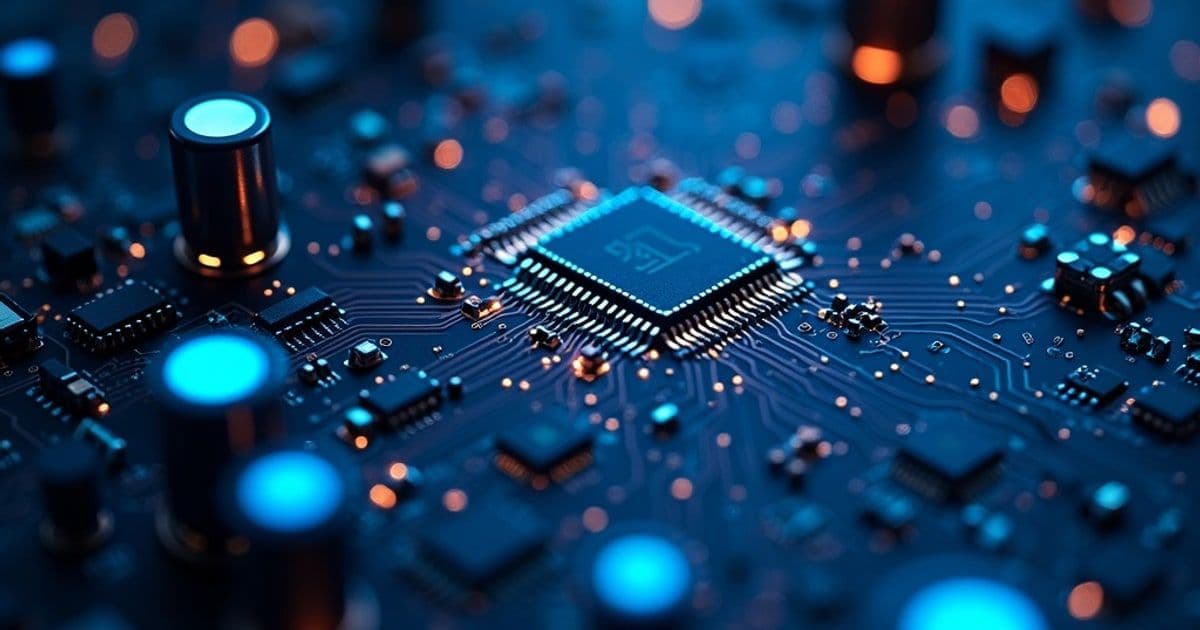
The Singapore-based mining firm's fourth-generation ASIC lineup, powered by its proprietary SEAL04 chip, cuts energy consumption by 24 per cent compared to its predecessor at a time when every joule counts.
The approval, granted a week after Australia passed its first comprehensive digital-asset law, gives Coinbase a regulatory head start to offer derivatives, equities, and payments from a single app.
Marathon Digital Holdings reported hash rate exceeding 30 EH/s at the end of May 2024, becoming the first publicly traded Bitcoin miner to achieve the milestone.
Bitcoin miners experienced a 50% revenue collapse following the April 2024 halving, with daily block reward revenue plummeting from $72 million to $30 million.
Intel unveiled its Blockscale bitcoin mining ASIC chip through a technical presentation at ISSCC in February 2022, marking the semiconductor giant's official entry into the specialized mining hardware market with focus on energy efficiency.
Samsung confirmed in January 2018 that it had begun mass production of ASIC chips for bitcoin and cryptocurrency mining, entering the specialized hardware sector previously dominated by Bitmain and Canaan Creative.
Bitfury began deploying its 16nm ASIC mining chip in mid-2016 with efficiency of 0.06 joules per gigahash and 40 gigahashes per second per chip, advancing mining hardware into a new generation of performance.
Swedish bitcoin mining company KnCMiner filed for bankruptcy after raising $32 million, citing high energy taxes, rising competition from Chinese miners, and the impending July 2016 bitcoin halving.
21 Inc unveiled the Bitcoin Computer, a Raspberry Pi-based device with an integrated mining chip, priced at $399 and designed to let developers earn bitcoin while selling digital services.